
Top 7 Sustainable Fabrics Revolutionizing Eco Fashion In an era marked by ecological awakening and conscious consumerism, the fashion industry is undergoing a profound metamorphosis. No longer content with surface-level aesthetics, modern designers and mindful shoppers alike are delving into the very threads of their garments—seeking materials that align with environmental stewardship and ethical production. This shift has birthed a renaissance of sustainable fabrics, each with its own narrative of responsibility, innovation, and elegance.
Let’s take a vibrant stroll through the verdant path of eco-fashion and uncover the top seven sustainable fabrics that are transforming wardrobes, redefining industry standards, and nurturing our planet.
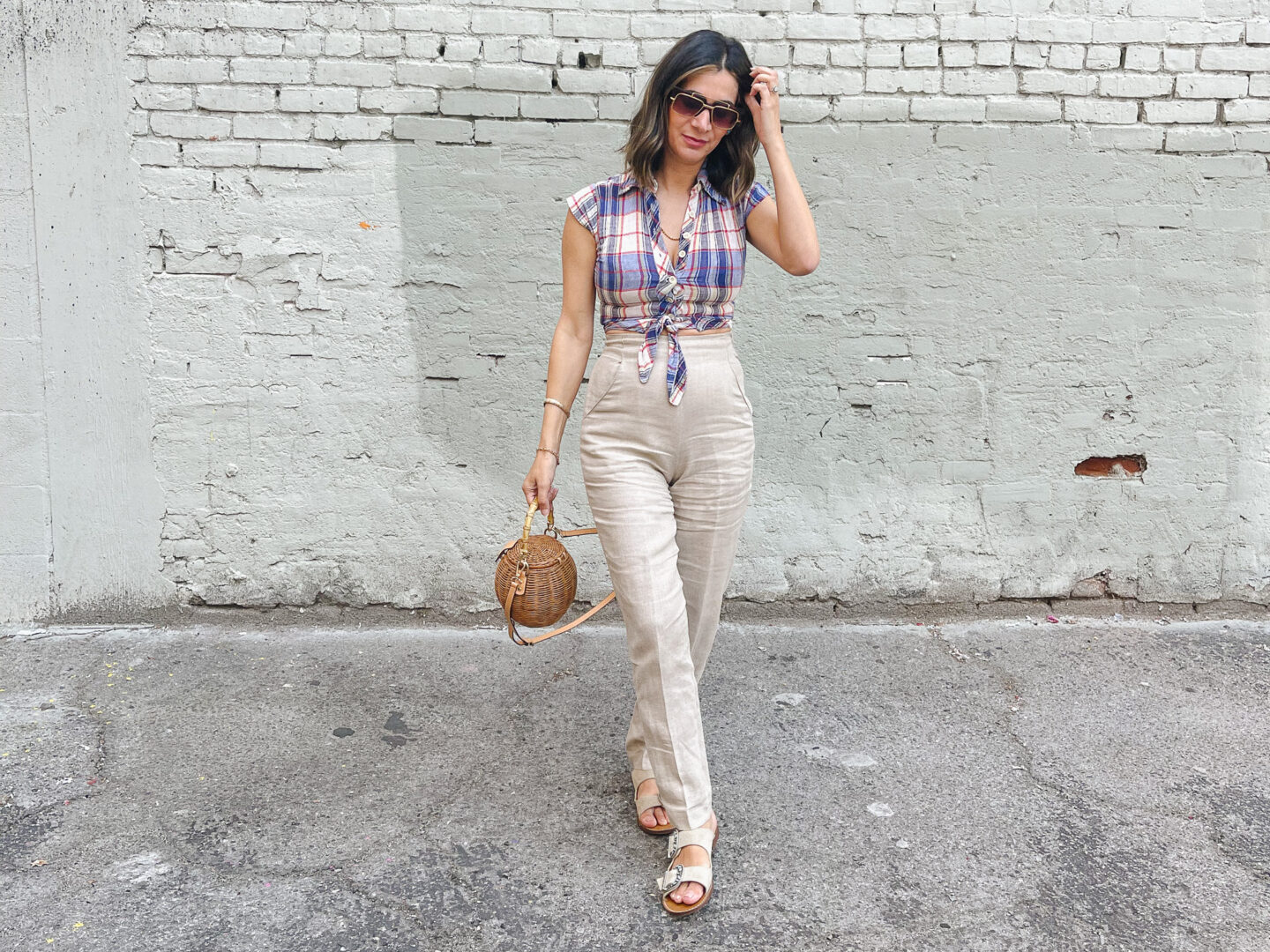
1. Organic Cotton: The Gentle Giant of Green Textiles
Often mistaken as passé due to its simplicity, organic cotton is, in truth, a powerhouse of purity and versatility. Unlike its conventional counterpart, which guzzles pesticides and poisons water tables, organic cotton is grown using methods and materials that have a low environmental impact.
The absence of synthetic agrochemicals means it safeguards soil health and protects farmers from toxic exposure. Moreover, it’s delightfully soft, hypoallergenic, and biodegradable. From breezy summer dresses to snuggly bed linens, this fabric offers a touch of nature with every wear.
And yes—it’s not just kind to the Earth. It’s also unexpectedly luxurious when woven in fine weaves or brushed finishes.
2. Hemp: The Hardy Pioneer of Regenerative Style
An ancient textile champion re-emerging with zeal, hemp is fashion’s quietly sophisticated rebel. This botanical wonder grows prolifically without herbicides or pesticides, needs very little water, and even rejuvenates the soil it’s cultivated in. Resilience is its hallmark.
The texture of hemp is surprisingly supple when processed with modern techniques, bearing resemblance to linen but with superior durability. It softens over time, creating garments that age like fine wine.
It’s no surprise that hemp is winning the hearts of eco-conscious designers—from bohemian tunics to tailored blazers, this fabric is threading the needle between rustic and refined.
3. Tencel (Lyocell): The Tech-Savvy Tree Silk
Sourced from sustainably harvested eucalyptus trees, Tencel (also known as Lyocell) is the epitome of next-gen fabric wizardry. Manufactured in a closed-loop process that recycles water and solvents, it’s a model of circularity.
Its silky texture, breathability, and excellent moisture-wicking properties make it a darling in both activewear and luxury fashion. Beyond functionality, its biodegradability ensures it leaves no lingering environmental footprint.
Sustainable fabrics like Tencel are proof that technological innovation and ecological responsibility can waltz hand-in-hand across the runways of Milan and the sidewalks of Manhattan alike.
4. Piñatex: Pineapple Leaves Reimagined
Innovation blossoms in the most unexpected places—like the spiky silhouette of a pineapple. Piñatex, derived from the fibrous byproducts of pineapple leaves, is an audacious answer to leather.
This plant-based textile is not only cruelty-free but also a byproduct of agricultural waste, making it a champion of upcycling. Lightweight, durable, and water-resistant, Piñatex is revolutionizing accessories and footwear with its leathery aesthetic and ethical pedigree.
It’s making waves among high-fashion labels and avant-garde artisans, reconfiguring what luxury looks like in a post-leather world.
5. Bamboo Linen: The Graceful Chameleon
Not all bamboo textiles are created equal. While bamboo viscose often raises eyebrows due to its chemically intensive process, bamboo linen—crafted through a mechanical, closed-loop system—is a different tale altogether.
This version retains bamboo’s natural antibacterial properties and breathability, while demanding minimal water and avoiding pesticides. It drapes beautifully, feels like a cool whisper against the skin, and boasts a lustrous sheen.
Sustainable fabrics such as bamboo linen are a testament to the power of informed sourcing. When done right, they offer comfort, conscience, and captivating style.
6. Recycled Polyester (rPET): Waste Woven into Wonder
Derived from discarded plastic bottles and industrial polyester waste, recycled polyester is a brilliant example of how refuse can be reframed into refinement. While it’s still a synthetic fiber, rPET significantly reduces reliance on virgin petroleum and cuts down carbon emissions.
Its wrinkle resistance, shape retention, and durability make it ideal for performance wear and everyday staples. But what truly elevates rPET is its role in diverting plastic from oceans and landfills—spinning pollution into purpose.
It’s a potent reminder that sustainable fabrics are not just about nature, but also about addressing the consequences of human industry with creativity and resolve.
7. Cork Fabric: The Textural Titan of Eco Accessories
Often overlooked yet undeniably striking, cork fabric is harvested from the bark of cork oak trees without ever cutting them down. This process allows trees to continue growing and absorbing carbon, making cork an astonishingly sustainable resource.
Naturally waterproof, lightweight, and strikingly textured, cork fabric is making headlines in accessories—from handbags to wallets to shoes. Its aesthetic is simultaneously earthy and futuristic, offering a tactile dialogue between tradition and modernity.
With each use, it gains character. With each purchase, it supports the preservation of ancient cork forests, vital ecosystems teeming with biodiversity.
Why Sustainable Fabrics Matter More Than Ever
The garment industry is one of the most pollutive sectors globally, second only to oil. From water pollution and carbon emissions to unethical labor practices, fast fashion’s legacy is littered with environmental and humanitarian costs. But therein lies the extraordinary potential of sustainable fabrics.
These materials are more than mere cloth—they are cultural shifts woven into thread. They foster slow fashion. They honor the planet’s finite resources. And they serve as conduits for circular economy principles, where waste is minimized, and value is maximized across lifecycles.
As consumer consciousness escalates and regulatory frameworks tighten, eco-fabrics are becoming not just an alternative—but a necessity.
Navigating the Future: Innovation Meets Aesthetic Intention
What does the road ahead look like for eco fashion?
It’s radiant with promise. Material science is bursting with experimentation: algae-based yarns, mycelium leather, and lab-grown silk are inching from labs to looms. Biodegradability, carbon neutrality, and traceability are no longer idealistic dreams but real-world expectations.
Designers are embracing minimalism, modular wardrobes, and multi-functional garments, reducing waste and enhancing utility. Consumers are leaning into durability and timeless design rather than trend-chasing. And yes, the rise of sustainable fabrics is the thread that ties it all together.
Conscious Consumerism: The Role of the Individual
Every wardrobe tells a story. Choosing a bamboo dress over a polyester one, opting for a Piñatex backpack instead of leather, or supporting brands that champion hemp and Tencel are small actions with monumental ripple effects.
The purchase power of individuals, when collectively harnessed, can steer entire industries toward sustainability. It starts with awareness. It grows through curiosity. And it culminates in a closet filled not just with style—but with purpose.
Let your fashion choices reflect the world you wish to live in—abundant, equitable, and breathable.
The Final Stitch
From the rugged charm of hemp to the silky embrace of Tencel, from the ethical edge of Piñatex to the futuristic gloss of cork—sustainable fabrics are transforming fashion into a force for good. Each thread carries the DNA of innovation, responsibility, and creative expression.
The revolution is already on the runway.
And it’s not just chic. It’s consequential.
Let your style not only turn heads—but also turn tides.
Apakah Anda ingin saya ubah artikel ini menjadi versi ringkas untuk media sosial?
More Stories
Finessing Horsepower: The Real Costs of Engine Tuning Exposed
Revolutionizing Engine Tuning: Unleashing Hidden Horsepower with Precision
Revving Up Performance: The Art and Science of Engine Tuning